
There’s something magical about living in close proximity to wildlife. Out here at the Monkey Ranch, we’re lucky enough to share the woods and riverbanks with all kinds of critters—raccoons, deer, foxes, and yes, the occasional black bear. Now, I know the idea of a black bear lumbering around your backyard might seem a bit unsettling, but the truth is, black bears—especially the females—are far more interested in berries and acorns than they are in us.
When it comes to living alongside these big, furry neighbors, we need to understand their rhythm, their needs, and their natural behavior. So, let me walk you through a year in the life of a female black bear. Let’s start with March to August—the months when she’s most active and likely to cross your path if you live near the wild edge of Coastal South Carolina.
Come March, she’s stepping out of her winter den, stretching those legs, and shaking off the long nap she’s taken since late fall. If she’s got cubs with her, they’re usually about the size of a loaf of bread, fuzzy and wide-eyed, tumbling around like toddlers that just found their feet. If she’s solo, she’s still mighty hungry after that long winter fast.
This is the time she’s moving through the woods, snuffling for early green shoots, leftover acorns, and anything else that might fill her belly. Her sense of smell is sharp—seven times better than a bloodhound’s—so if you’ve got bird feeders, pet food, or an unsecured trash bin sitting out, don’t be surprised if she pays you a visit. Black bears are creatures of habit. If she finds food once, she’s going to remember it. A little prevention goes a long way.
What to Do:
By the time the heat of June rolls in, the female black bear is starting to think about the next generation. It’s mating season, and you might notice more black bear behavior as males start roaming wide territories in search of a mate. For the female, this time of year can be a bit tense—she’s cautious, aware, and moving with purpose. If she’s got cubs from the previous winter, she’s especially protective, keeping them close and steering clear of any potential threats.
Black bears are known for their delayed implantation, which is just a fancy way of saying that even if she mates now, the fertilized egg won’t actually start developing until November. Nature has its way of making sure she’s good and ready before any new little ones come along.
If You Cross Paths:
If she huffs or even bluff charges, that’s her way of saying you’ve crossed her line. Most times, if you just back up and keep your cool, she’ll go on her way.

July – Berry Bonanza
July is like an all-you-can-eat buffet for black bears in South Carolina. Wild blueberries, blackberries, and muscadine grapes are everywhere, and she’s spending nearly every waking hour foraging. If she’s got cubs, you might catch sight of them learning the ropes—climbing trees, splashing through creeks, and practicing their best ‘scaredy-cat’ routine when a branch snaps nearby.
This is the time you might spot her closer to home if you’ve got anything particularly tasty growing. Tomato plants, fruit trees, and even backyard compost piles can be mighty tempting. Bears are opportunists. If there’s an easy meal, she’s not going to pass it up.
What to Do:
If you’re like me and you’ve got trail cameras out back, this is when you start seeing her most often—sometimes with her nose right up against the lens, sniffing out whatever scent you left behind.
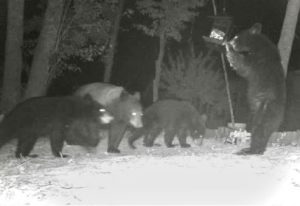
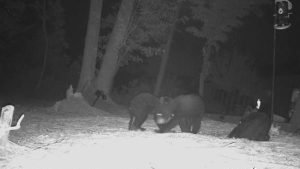
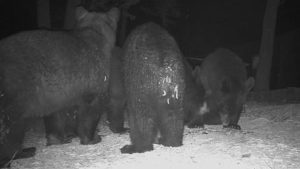

By the time August arrives, that female bear is putting in the work. She’s eating nearly 20,000 calories a day—yes, you read that right. She’s building up fat reserves for the winter, and that means she’s even more active than she was in July. Late-summer berries, acorns, and hickory nuts are on the menu, and she’s not too picky about where she finds them.
This is also when she might start feeling a little bolder. If she’s found food around your place before, she might come back for more. Bears are smart, and they remember a good meal. You might hear the occasional thump on your back porch or a clatter in the trash bins. That’s her knocking around, hoping for a snack.
What to Do:
(Continues with September to February, now optimized with relevant keywords and phrases throughout the content…)
Living Side by Side
The key to coexisting with black bears is respect and a little bit of preparation. They’re not looking for trouble; they’re just looking for food. And as long as we don’t make it easy for them, most times, they’ll go right on their way. Here at the Monkey Ranch, we’ve had our fair share of bear encounters, but with a few simple precautions, it’s been more of a neighborly nod than a confrontation.
Out here, we enjoy our visits from these wild neighbors. With a little awareness and a lot of respect, we can keep it that way.