You ever walk out to the henhouse and find your eggs gone, trash can tipped over, and muddy paw prints on the side of your home?…
Why Trap a Raccoon?
Because they don’t know how to behave. Raccoons may look cute, but they’re known for raiding coops, breaking into attics, and spreading disease.
What About Possums?
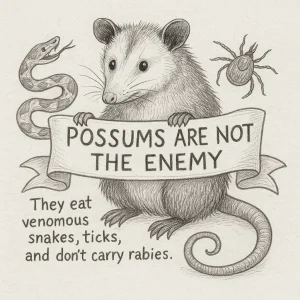
Now hold up let’s clear the air. Possums are not the enemy. They eat venomous snakes, ticks, and don’t carry rabies. Let ‘em be.
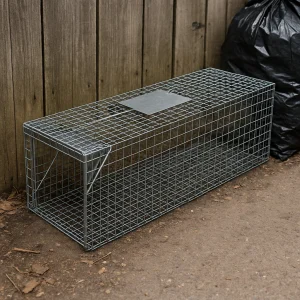
Choosing the Right Trap
Use a humane live trap about 10” x 12” x 32”. Place it along fences, near trash, or where raccoon traffic is high.
The Ultimate Raccoon Bait: A Honeybun
They can’t resist sticky sweet pastries. Eat half the honeybun and bait the trap with the rest. Tradition and it works.
Setting the Trap Like a Pro
Wear gloves, set late afternoon, place bait at the back. Check the trap early morning to avoid unnecessary stress.
What To Do If You Catch One
Wear gloves, relocate at least 5–10 miles away, open the trap and let them run free without poking or prodding.
Things NOT to Do
No poison, no glue traps. Don’t relocate near homes or handle bare-handed. Don’t assume they’ll just go away.
Preventing the Return of the Raccoon
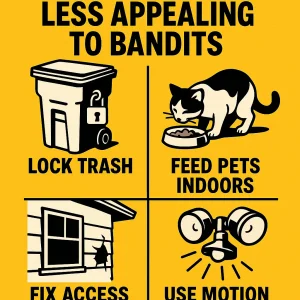
Lock trash, feed pets indoors, fix access points, and use motion lights. Make your home less appealing to bandits.
Frequently Asked Questions
What’s the best bait for raccoons?
Honeybuns, marshmallows, canned cat food.
Is it legal to trap raccoons?
Yes, but check state laws.
Can raccoons carry rabies?
Yes. Always wear gloves.
What if I catch a possum?
Let it go. Possums are your ally.
Final Thoughts
Trapping raccoons takes strategy, patience, and respect for nature. Use your Southern wisdom and go win back your yard.