
Here at the Monkey Ranch, life runs on rhythm sunrise coffee, chores by noon, supper before the sky turns gold. It’s not just a schedule, it’s a way of being. Living off your own land isn’t about survival anymore; it’s about returning to something real honest work, simple pleasures, and the quiet joy of knowing that what you have, you’ve made yourself.
Self-sufficient living ain’t fancy, but it sure is fulfilling. It’s the kind of life where you grow your food, mend your tools, and create beauty from the things most folks would throw away. It’s not about doing everything alone; it’s about learning to do enough to live gently, gratefully, and grounded.
Before you pick up a hammer, a hoe, or a spool of twine, you need the right mindset. Homesteading is patience in action. You plant seeds knowing the reward might take months. You build fences that might need fixing next week. You make your own bread, knowing it’ll be gone before morning.

This rhythm of creation and repair teaches gratitude and resourcefulness. The old folks used to call it “making do,” but I call it art. The art of self-sufficient living isn’t about living without; it’s about finding abundance in what you already have.
You don’t need 100 acres or a tractor to start living more like a homesteader. All you need is curiosity and a willingness to try.
Even if your “land” is just a balcony, you can grow herbs, tomatoes, or peppers. Container gardens thrive anywhere there’s sunlight and a bit of care. It’s not about how much space you have it’s about how you use it.
That wobbly chair? Don’t toss it. A bit of glue, sandpaper, and determination can bring it back to life. Out here, we call that antique chair repair and it’s one of those quiet homesteading victories that feels bigger than it looks.
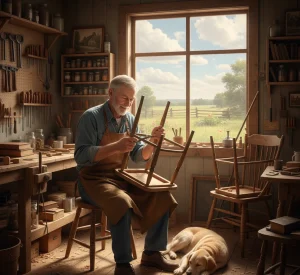
Same goes for anything else that breaks fences, tables, tools. Fix it. The process teaches skill, pride, and patience three things money can’t buy.
Once you’ve mended the chair, go a step further. Try your hand at DIY chair weaving or replacing the woven chair seats with something homemade. It’s a rewarding craft that combines utility and beauty proof that self-sufficiency can still be stylish.
That old barn wood lying around? Turn it into something new. From picture frames to spice racks, reclaimed wood crafts can add rustic charm to any corner of your home. Nothing says “ranch living” like a piece of history turned into something useful again.
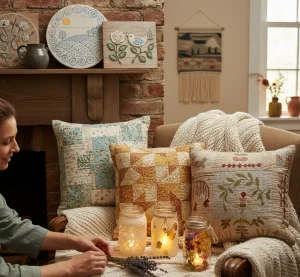
Being self-sufficient doesn’t mean living plain. Add a little art to your home with handmade decorations quilted pillow covers, mason jar lanterns, or hand painted wooden signs. When your space reflects your handiwork, it becomes more than just a home it becomes a reflection of you.
The beauty of homesteading today lies in the blending of old wisdom with modern convenience. You can learn old time survival skills from a YouTube tutorial now but the satisfaction still feels the same.
Bake bread from scratch. Fix a torn shirt instead of buying new. Build a compost bin. These small acts of creation connect you to generations before you people who lived by hand, heart, and habit.
And in those moments when the garden’s thriving or the bread’s cooling you’ll feel something that no gadget can replace: peace.
Too many folks think homesteading is a project with a finish line. Truth is, it’s a lifestyle a rhythm you grow into, season after season. Some days you’ll be knee deep in mud wondering why you started. Other days, you’ll sip coffee on the porch, looking at what your hands built, and know exactly why you did.
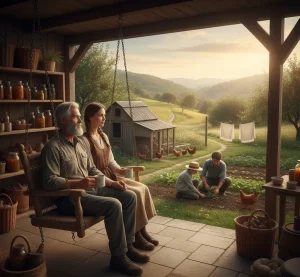
The goal isn’t perfection it’s participation. The more you try, the more you learn. Each small step from weaving a chair seat to crafting your own shelves is one more stride toward independence and joy.
At its core, self-sufficient living is about connection. To your land, your craft, and yourself. It’s the kind of lifestyle that makes you pay attention to the weather, the soil, and even your own energy.
It’s waking up early to tend to something alive, ending the day with dirt under your nails, and sleeping with a satisfied heart. It’s a quiet rebellion against the noise of convenience, reminding you that you don’t need everything just enough.
And somewhere in that process as you patch a chair, hang a handmade sign, or sand down a piece of reclaimed wood you realize that life isn’t about collecting more; it’s about creating more meaning.
Whether you live on a sprawling ranch or a tiny city lot, homesteading starts with one choice: to live intentionally. Grow something. Fix something. Craft something. Every small act adds up to a life that feels richer, freer, and far more fulfilling.
Out here at the Monkey Ranch, that’s the creed we live by make, mend, and mind the land. Because when you do, the land will always take care of you right back.
Start with small projects like herb gardening, composting, repairing furniture, or learning basic woodworking. The key is to start where you are with what you have.
Absolutely. Grow herbs on your windowsill, make your own cleaning products, or learn to cook from scratch. Self-sufficiency is a mindset, not a location.
They teach reuse and creativity turning what would be waste into useful, meaningful décor while reducing dependence on store bought goods.
Because it embodies the values of sustainability and resourcefulness. Repairing instead of discarding preserves both craftsmanship and tradition.
They remind you that beauty doesn’t have to be bought. Handmade décor adds warmth, character, and pride to your home all made with your own two hands.